Sustainable Drainage Systems (SuDS) Improve Flood Management
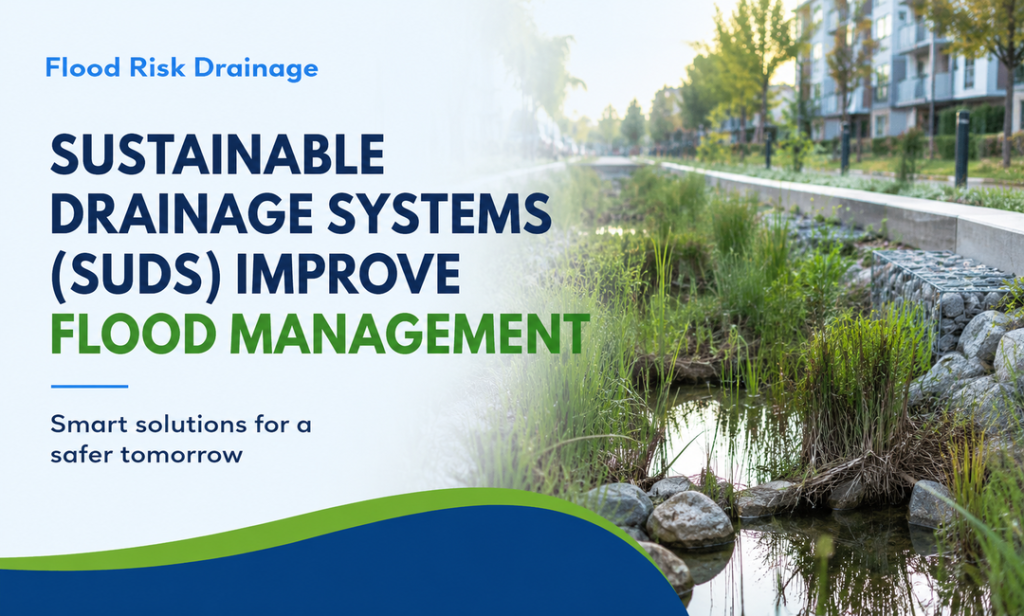
Sustainable Drainage Systems (SuDS) are designed to manage rainwater in a way that closely follows natural water processes. Rather than allowing water to flow quickly into storm sewers, SuDS allow it to be slowed, stored, filtered, and absorbed in place as much as possible. Such systems help reduce flood risks, improve water quality, and create more sustainable environments. Common SuDS features include raingardens, swales, ponds, green roofs, permeable paving, infiltration basins and filter drains, each offering practical and environmental benefits.
Benefits of Installing Sustainable Drainage Systems (SuDS)
Sustainable Drainage Systems provide much more than efficient rainwater management. They can minimize flood risks, improve environmental quality, protect biodiversity, and create greener neighbourhoods. By using natural drainage solutions in construction, Sustainable Drainage Systems have brought about many positive changes.
Reduces Flood Risk
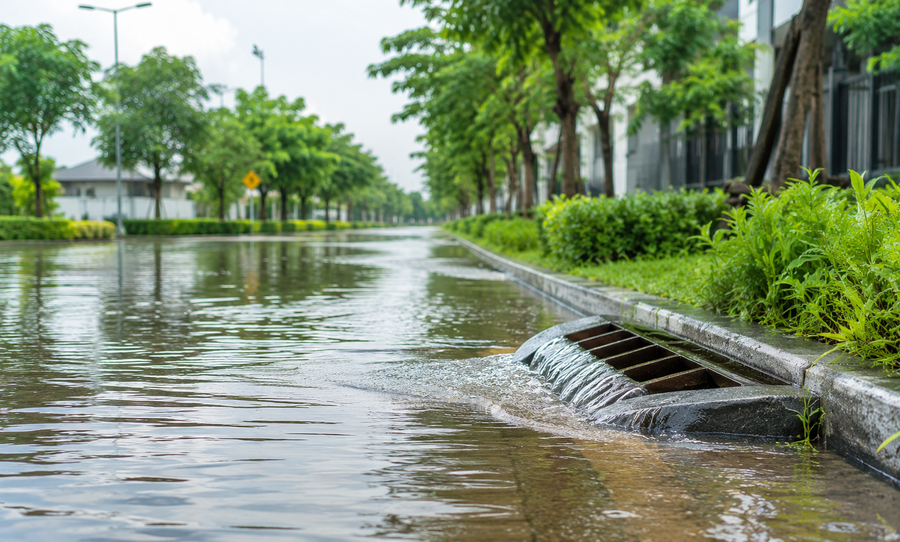
Sustainable Drainage Systems (SuDS) are used to manage rainwater by slowing, storing, and filtering it before it enters drains or watercourses. SuDS promote natural infiltration of water into the ground wherever possible, rather than allowing heavy rainfall to overwhelm drainage networks. Swales, detention basins and permeable paving help prevent surface water flooding. This method will help safeguard homes, roads, and commercial buildings, and enhance the long-term resilience of developments to more frequent and intense rainfall events driven by changing weather patterns.
Supports Biodiversity
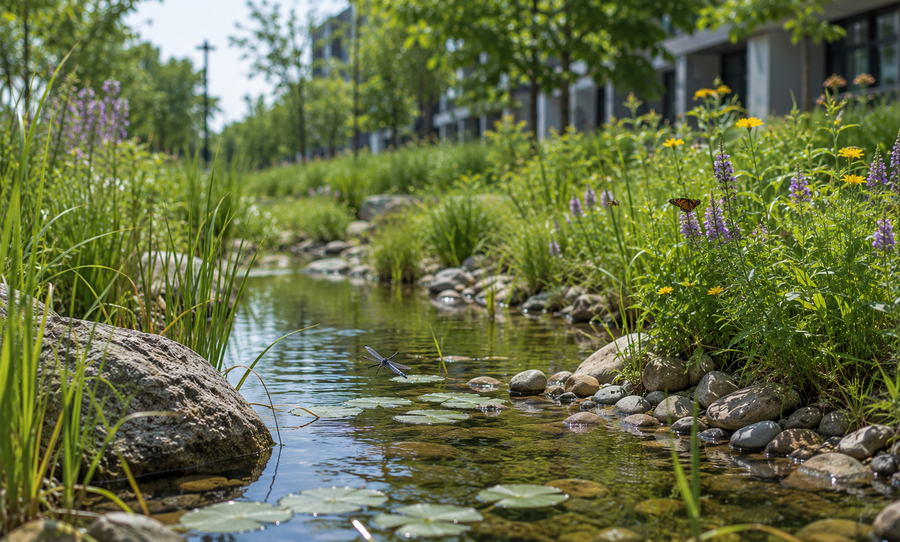
The introduction of Sustainable Drainage Systems (SuDS) provides valuable green spaces that promote the growth of birds, butterflies, bees and other wildlife. Rain gardens, ponds, and planted swales create natural habitats and enhance ecological connections in urban settings. These systems convert the mundane drainage system into beautiful landscapes that benefit people and nature. SuDS can help improve the biodiversity goals of developments, enhance the environment, increase the amount of native vegetation, and support local ecosystems, all of which will make the development a more pleasant place for communities to enjoy every day.
Creates Greener and Healthier Spaces
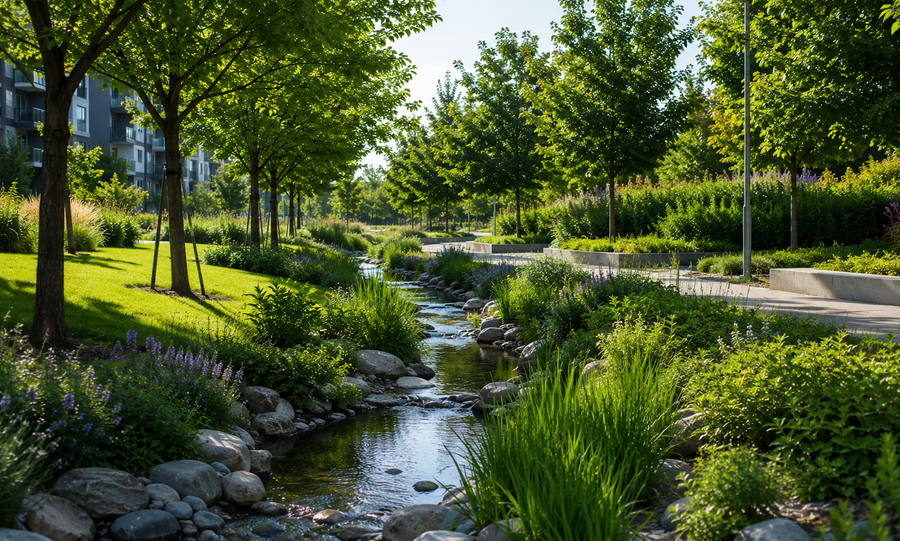
Sustainable Drainage Systems (SuDS) use landscaped features to replace large areas of hard surfaces, enhancing the appearance and functionality of developments. Rain gardens and vegetated basins are examples of green infrastructure that not only enhance the beauty of the landscape but also offer functional drainage solutions. Planted areas reduce urban temperatures, increase airflow and make public areas more pleasant. Combined with landscaping, SuDS will improve the environment, making residential, commercial and public developments more attractive, comfortable and enjoyable for residents, employees and visitors all year round.
Improves Water and Air Quality
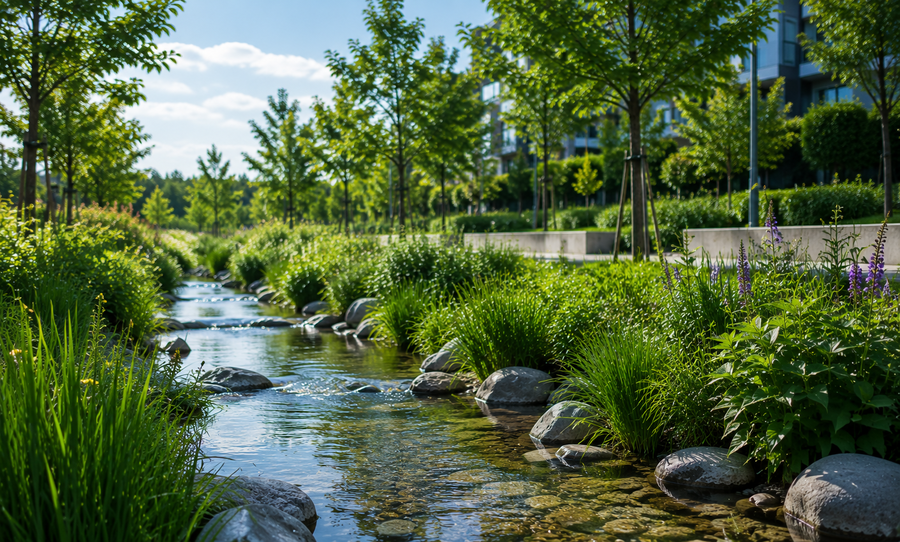
Sustainable Drainage Systems (SuDS) use vegetation, soil and specially designed drainage layers to naturally filter rainwater as it flows through. This process filters out pollutants, sediments and contaminants before they enter rivers, lakes or groundwater sources. The plants in SuDS also filter airborne particles, absorb carbon dioxide and produce oxygen, which helps to improve air quality. These systems enhance water and air quality, contribute to healthier communities, and reduce environmental pollution, creating cleaner environments for people, wildlife, and the environment.
Delivers Long-Term Environmental and Economic Benefits
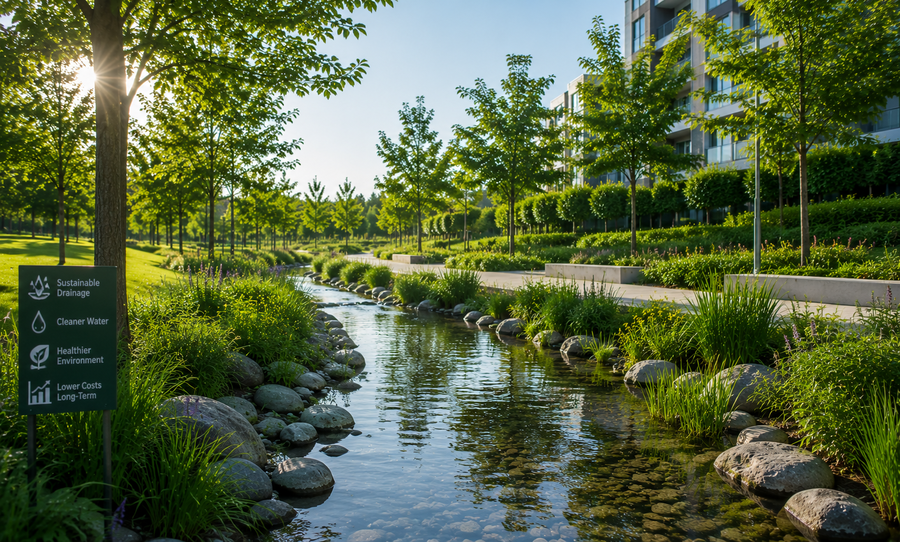
Sustainable Drainage Systems (SuDS) offer long-term benefits by alleviating strain on traditional drainage systems and minimising the risk of costly flood damage. They are naturally designed with fewer underground drainage components and are easier to maintain over time. SuDS can also enhance the appeal of developments by providing attractive green spaces and preventing water-related problems. They also align with sustainable planning objectives and promote environmentally responsible development, making them a valuable investment for developers, businesses and communities.
How SuDS Protect Communities from Extreme Weather Events
Extreme weather is getting increasingly difficult to deal with in today’s world. However, Sustainable Urban Drainage Systems (SuDS) can effectively solve this problem by making use of the rainwater in an environmentally friendly manner.
- Managing Heavy Rainfall Effectively: Sustainable Drainage Systems (SuDS) are designed to manage heavy rainfall by capturing and slowing surface water before it overwhelms drainage systems. Ponds, swales and rain gardens capture excess water and slowly release it. This helps to alleviate sewer pressure and minimises the risk of flooding in extreme weather events.
- Reducing Surface Water Flooding: Concrete and paving are widely used in urban areas and do not allow water to be absorbed naturally. SuDS restore natural drainage processes by allowing rainwater to soak into the ground. These systems enhance infiltration and manage surface water runoff, helping prevent flooding of properties, roads and public spaces.
- Building Climate-Resilient Communities: As the climate changes and extreme rainfall events become common, communities require solutions that address water management. SuDS provide a sustainable approach by adapting to natural water cycles. They make developments more resilient and less vulnerable to unpredictable weather impacts on people and infrastructure.
- Protecting Waterways During Storms: Pollutants from roads, buildings and urban areas can be washed into rivers and streams during heavy rain. SuDS use plants, soil and drainage to filter rainwater before it enters natural water bodies. This helps to minimize contamination, safeguard aquatic ecosystems and keep waterways cleaner even in extreme weather conditions.
- Creating Safer and Greener Neighbourhoods: In addition to flood protection, SuDS enhance the quality of urban environments by providing spaces that benefit wildlife and community wellbeing. Vegetated drainage features reduce heat and provide pleasing spaces for residents. SuDS can deliver environmental benefits and flood management, supporting communities to prepare for future challenges.
Final Words
To sum up, sustainable Drainage Systems (SuDS) do not only involve the control of rainwater runoff. They provide a means of reducing flood risks, improving water quality, providing habitats for various plant and animal species, and contributing to making urban environments healthier and more appealing.
As cities continue to grow, implementing SuDS in new developments ensures environmental sustainability and community well-being. If you are looking for innovative, cost-effective and sustainable drainage design solutions, our experienced team is ready to deliver designs tailored to your project’s requirements.