-
Pingback: Modern Solutions Improving Flood Risk Management Systems | Flood Risk & Drainage Solutions
-
Pingback: What is Foul Drainage Design and How It Works | Flood Risk & Drainage Solutions
Managing Flood Risks with Sustainable Urban Drainage Systems
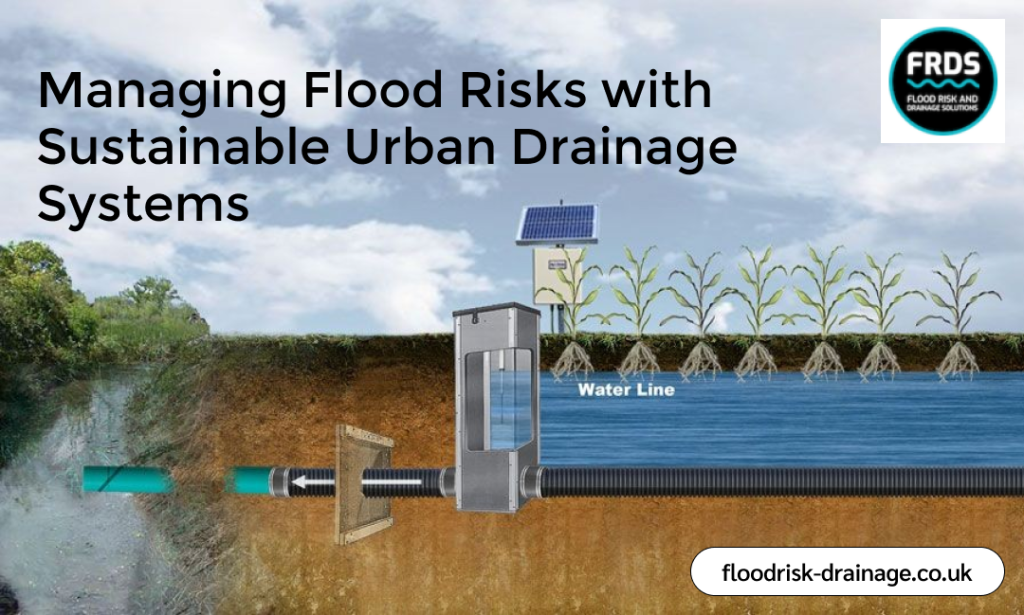
Managing rainwater well has become a key part of how cities are planned today. Sustainable Urban Drainage Systems (SuDS) provide a nature-based approach that helps control surface water by allowing it to soak into the ground or be stored for later use. This process lowers the strain on traditional drainage systems and keeps rivers safe from polluted runoff. If you’re looking for Advice on SuDS, getting expert planning and guidance can really help. However, sustainable drainage initiatives are increasingly being discussed in Bury, while similar water management solutions are also gaining importance across Burnley.
Why Urban Areas Face Increased Flooding
The cities are prone to flooding due to heavy rainfall and inadequate drainage. Sustainable Urban Drainage Systems (SuDS) are natural water treatment systems.
Increase in Hard Surfaces
Overpopulation will replace soil with roads, pavements, and construction, thus preventing the natural absorption of water. Sustainable Urban Drainage Systems (SUDS) retain and slow the flow of runoff, enabling rainwater to be regulated.
Pressure on Existing Drainage Infrastructure
The older systems are incapable of handling heavy rainfall. Whereas in areas such as Burnley, the drainage system may become stressed, leading to flooding. SuDS alleviate the pressure on the pipes by storing and releasing rainwater safely in the short term.
Fast Surface Water Runoff
When it rains, water that runs over the pavement moves quickly and carries contaminants, increasing the likelihood of flooding. Sustainable drainage is being implemented in cities such as Bradford and Blackburn to manage runoff effectively and safeguard urban areas.
Climate Change and Heavy Rainfall
Rough storms cause the risk of flooding in towns like Rossendale. SuDS facilitate water management, retain surplus rainwater, and minimize the risk of flooding, thereby helping establish a safer, more resilient urban population.
Understanding the Types of Sustainable Urban Drainage Systems
Sustainable Urban Drainage Systems (SuDS) are used to manage rainwater naturally, reduce flooding, and provide long-term benefits to modern towns.
Rain Gardens
Rain gardens are shallow, planted areas meant to receive and absorb rainfall from roofs and paved surfaces. SuDS, such as rain gardens, can be applied in Bury to slow the flow of water off the ground and reduce pressure on the city’s drainage systems. These gardens also remove pollutants naturally, maintain the quality of urban water, and enhance green spaces.
Permeable Surfaces
Permeable pavements allow rainwater to percolate into the soil rather than spilling into drainage systems. Cities with limited green spaces, such as Bradford and Blackburn, use Sustainable Drainage Systems with permeable surfaces to sustainably control water and minimize the risk of urban flooding.
Green Roofs
Green roofing is the practice of planting vegetation on rooftops that captures rainwater, reduces runoff, and cools buildings. Including all these in Burnley’s properties enhances the drainage system’s efficacy and also promotes biodiversity in the urban regions. Green roofs serve as temporary reservoirs of rainwater and delay its flow into the sewer.
Detention Basins and Ponds
Stormwater is held in detention basins and released gradually into the drainage system. In certain towns, such as Rossendale, these attributes play a vital role in reducing the risk of flooding in areas of heavy rainfall, keeping streets, houses, and rivers dry.
Swales and Filter Strips
Swales are small basins used to direct and filter water runoff. They are widely used in Bury and Bradford to control surface water and improve the landscape. The swales reduce flooding, filter and remove pollutants, and create visually appealing, functional green areas.
How Sustainable Urban Drainage Systems (SuDS) Work
Nature-based drainage systems treat water efficiently, slow water flow and provide a greener landscape, helping cities manage excess water effectively.
Capturing and Storing Rainwater
The rainwater in towns such as Bury is collected through features such as rain gardens and detention basins. This storage slows down the flow, thereby minimizing the strain on available infrastructure. Sustainable Drainage Systems are used to manage water movement and prevent overloading of the drainage system.
Slow Release of Runoff
Towns like Bradford and Blackburn minimise the risk of flash floods by slowing down the flow. Sustainable drainage enables run-off water to be controlled effectively, preventing drains in cities from being blocked and rivers surrounding urban regions from being subjected to the consequences of sudden run-off.
Filtering Pollutants
SuDS also filter pollutants naturally from rainwater before it flows into waterways. Urban surfaces absorb or trap contaminants and these characteristics can be used in Rossendale to reduce the risk of flooding and improve water quality. This twofold purpose conserves local ecology and eases pressure on conventional drainage systems.
Supporting Groundwater Recharge
Water can permeate through surfaces and infiltration systems into the ground, recharging groundwater. The incorporation of SuDS into urban planning will ensure that rainfall has a positive impact on the surrounding area and exerts less strain on the artificial drainage systems.
Integrating Green Infrastructure
SuDS can take the form of green roofs, swales, and landscaped basins. Cities such as Bradford and Blackburn enjoy improved aesthetics, biodiversity, and water management. Sustainable Urban Drainage Systems can mitigate the effects of heavy rainfall and enhance long-term flood control stability.
Final Words
To sum up, using nature-based drainage solutions is now key for cities to manage rainwater better and protect the local environment. These sustainable approaches reduce the risk of flooding on traditional infrastructure and support greener urban spaces. Improving the drainage system in Burnley can help create safer and smoother urban planning. At the same time, stronger drainage in Rossendale can reduce flooding risks and support lasting environmental resilience.