Flood Risk Assessment for Safe Development in Flood Zones
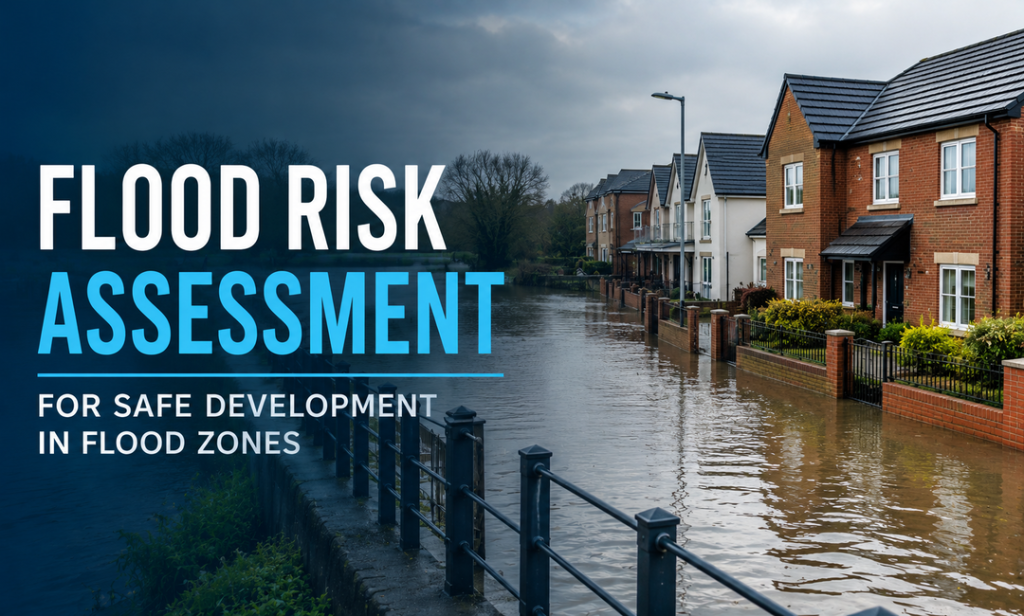
Developing land in flood-prone areas requires careful planning to protect people, property, and long-term investments. A professional Flood Risk Assessment identifies potential flood hazards before construction begins and helps developers make informed decisions. An experienced flood risk assessor evaluates site conditions, drainage and flood data to recommend suitable mitigation measures. Thus, reliable FRA services also support planning applications, improve compliance with local regulations, and help create safer, more resilient developments for the future.
What Is a Flood Risk Assessment?
A Flood Risk Assessment is a comprehensive assessment that determines whether there are any flood risk challenges on a site and how a new development may affect neighbouring properties. It reviews different sources of flooding, including rivers, surface water, groundwater, coastal conditions, and drainage systems.
A competent flood risk assessor conducts a flood risk assessment that considers factors such as flood depth, flood risk, and flow characteristics. Using tools such as the Flood Map for Planning, professionals conduct accurate flood risk analyses and recommend appropriate measures to manage hazards. A safe project will be developed using reliable FRA services, helping developers comply with requirements and adopt effective measures to reduce the likelihood of future flooding.
When to Consider a Flood Risk Assessment for Your Site
A Flood Risk Assessment for planning is required when a proposed development may be affected by flooding or could influence existing flood patterns. Understanding when is a flood risk assessment required helps developers meet planning requirements and address potential risks early.
Typically required where a site falls within Flood Zone 2 or 3, or for developments greater than 1 hectare, in areas where multiple flood sources occur or where a site is considered vulnerable in a local flood risk assessment. Professional flood risk consultants can assess flood risk conditions and create recommendations to aid safer planning.
- Sites in Flood Zone 2 or 3: Applicable to development in zones that are at higher risk, such as Zone 3b (functional floodplain).
- Development Sites of 1 Hectare or More: Required for larger development projects, greater than 10,000 m², where flood impacts need to be assessed.
- Sites Identified Through SFRA Reports: When a local planning authority has identified increased flood risks during the lifetime of a site in their Strategic Flood Risk Assessment.
- Request by Local Planning Authorities: May need to be submitted as part of the Planning Application procedure depending on the project conditions.
Key Elements Included in a Flood Risk Assessment
A detailed Flood Risk Assessment evaluates various factors to help assess potential flooding risks and their impact on any development. Professional FRA services consider the site conditions, available data, and appropriate mitigation measures. The main elements included in the assessment are:
- Site Location and Flood Sources: The assessment examines the site’s surroundings, current conditions, and potential flood sources to determine exposure levels based on the Flood Map for Planning.
- Flood Risk Analysis: Experts assess the probability, height, velocity and reach of flooding from rivers, surface water, ground water, and drainage systems.
- Mitigation and Management Measures: Recommendations are offered to minimize flood impacts, such as drainage improvements, sustainable solutions, and design changes to enhance site resilience.
- Expert Evaluation and Reporting: Flood risk consultants with experience prepare detailed reports that include findings, supporting information and practical advice to assist and to make developments safer.
How Professional FRA Services Support Safer Planning Decisions
Flood Risk Assessment services from professionals can be very useful for understanding any issues associated with flooding and making sound development decisions. They are instrumental in helping property owners, developers, and planners understand key factors and ensure the right measures are taken.
Understanding Site Risks Before Development
Experts examine river flooding, surface water flow, groundwater conditions, and drainage patterns to understand potential challenges. They analyse information from sources such as the Flood Map for Planning to determine flood zones and associated risks. By collaborating with experienced flood risk consultants, developers can receive accurate advice before construction starts by helping them select appropriate layouts, locations, and protective measures for safer project planning and enhanced site resilience with the help of flood risk consultants.
Supporting Compliance With Planning Requirements
A detailed flood risk assessment for planning can demonstrate that a proposed development takes into account key flood considerations. Professional FRA services will assess site conditions, consider potential impacts, and offer recommendations that meet planning expectations. Understanding when is a flood risk assessment required allows applicants to prepare the correct documentation at the appropriate stage. Moreover, this can minimise approval issues and facilitate better communication with planning authorities. Therefore, a good assessment shows that flood risks have been carefully considered throughout the development process.
Providing Accurate Technical Information
A professionally prepared flood risk assessment report will include detailed information on potential flood hazards and recommended management strategies. Relevant site information is included in the flood risk assessment and analysed by specialists, including drainage conditions, flood history and environmental characteristics. The report is presented in a clear format, enabling the developer, engineer, and decision-maker to understand risks. It also identifies practical solutions that can enhance site safety, such as drainage improvements or design changes.
Helping Select Suitable Mitigation Measures
Professional FRA services assist in selecting effective measures to minimise the impacts of flooding on a development. Site conditions are assessed, and appropriate solutions are suggested, such as sustainable drainage systems, water management techniques and design changes. When developers take flood risk into account during the planning process, they can incorporate protective measures into their plans rather than making costly changes later. This proactive approach helps to achieve safer, more flexible and environmentally friendly development outcomes.
Improving Budget Planning and Project Confidence
Knowing the flood risk assessment cost early in the planning process can help project owners budget more effectively. The total cost will vary depending on the site location, complexity, investigations needed and the scope of the assessment. Professional FRA services can give clarity on the work to be done and prevent unforeseen costs due to lack of information or poor planning. Investing in appropriate flood analysis can help developers make informed decisions, minimize delays, and increase confidence in the safety, compliance, and long-term success of their project.
Final Words
To sum up, the professional flood risk assessment report offers some great ideas which lead to safer and sustainable developments. Conducting the assessment at an early stage is essential for identifying risks and ensuring planning obligations are met. Understanding the flood risk assessment cost at the start of a project can also help developers budget effectively and avoid unnecessary delays and future flood-related issues through good decision-making.