
What is Foul Drainage Design and How It Works
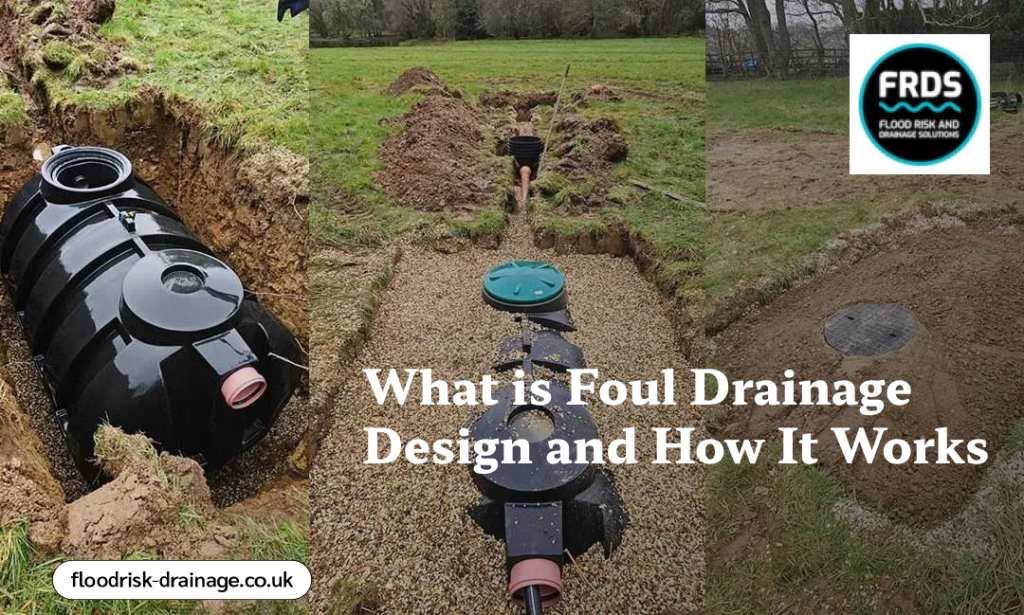
Contaminated water can be harmful to health, making proper drainage essential to prevent environmental damage. Effective foul drainage design is crucial in protecting people’s health, buildings, and the environment. Foul water drainage is the pipe network that transports wastewater away from your premises, including toilets, bathrooms, sinks, washers and dishwashers.
A properly designed foul drainage system ensures wastewater is collected, transported, treated, and discharged safely. It may be connected to the public sewer, the septic tank, or treatment facilities. It is therefore necessary for everyone to understand the working principles of the foul drainage system. This article provides insight into the function, structure, and operation of foul drainage systems, along with some maintenance tips.
How Foul Water Drainage Safely Removes And Treats Wastewater
The drainage system is designed to ensure that contaminated water passes through the process under controlled conditions, thereby enabling safe disposal and purification of the wastewater. These stages involved include collecting the wastewater, conveying it through underground pipes, and finally treating it at the appropriate water facility.
Wastewater Transport and Collection
Contaminated water is carried by sewer pipes linking domestic and industrial buildings to sewage plants, where the wastewater can be treated before disposal or reuse. Such pipes are part of the wider sewer mains that carry wastewater to a treatment plant. Wastewater treatment involves several stages, including:
- Initial Treatment: Removing the larger solids and waste materials.
- Primary Treatment: Heavier solid materials settle to the bottom in settling tanks.
- Secondary Treatment: Organic materials undergo biological treatment.
- Tertiary Treatment: Further purification removes any remaining impurities.
Environmental Considerations in Wastewater Discharge
Contaminated water drainage systems collect wastewater from various locations in the structure and transport it to water purification or recycling facilities. Once the water has been tested and treated, it is then safely discharged into natural water bodies such as lakes, rivers, and oceans. Complete treatment of the water is necessary to minimize environmental impacts and prevent pollution and contamination.
Overview of the Key Components in Foul Drainage Design
Foul drainage design is a crucial process for collecting and managing wastewater from buildings to prevent pollution and also protect public and environmental health.
- Drain Lines: Drain lines carry sewage from facilities and utilities within buildings to the drainage system for proper disposal.
- Traps: A water seal formed by pipe bends that prevents the release of dangerous gases and odors into inhabited areas.
- Vents: Points through which air is allowed into the drainage system to equalize pressures and facilitate sewage flow.
- Manholes: Access points through which one can perform inspection, maintenance, and unblocking of sewers.
- Sewers: Underground pipes collect and carry wastewater to the treatment plant.
- Treatment Plant: An establishment for processing and treating the wastewater collected from homes and industries.
Top Tips for Proper System Maintenance
To ensure your foul water drainage system operates effectively and without problems, it is crucial to maintain it and resolve any issues that arise. Consider all these vital tips to ensure this:
- Routine Inspections: Conduct preventive inspections of the drainage system to identify potential blockages, leaks or pipe damage before they become serious concerns.
- Correct Disposal: Never flush or throw grease, food particles, oils, or non-biodegradable waste products down the drain, as they can cause serious blockages in the drainage system.
- Clean Drains: Clean drains regularly using techniques such as snaking or pressure jetting to remove anything that can cause clogging.
- Seeking Help: For severe drainage problems that cannot be easily managed, it is advisable to consult experts in the field.
Final Words
To sum up, Foul drainage design is a crucial part of safe and functional building infrastructure. It is a vital component of both residential and commercial buildings because it effectively drains contaminated water and safely returns it to nature after cleaning. One must continuously monitor the system for any symptoms of failure, such as slow drainage, gurgling sounds, backups, foul odor, wet spots, puddle formation, and even sudden spikes in water bills. This will help one avoid further complications. Taking preventive measures now will not only save you money but also ensure you do not have to deal with drainage problems in the future.


Great
Great. How do you provide services?
Thank you for reaching out. Kindly fill out the Contact Us form with your requirements, and our team will review your request and get back to you as soon as possible to provide the assistance you need.