
Complete Guide to Drainage Design Layouts and Best Practices

Drainage design is very significant in modern construction and infrastructure, helping to safely and efficiently move water away from buildings, roadways, and landscapes. Well-designed drainage prevents structural damage, flooding and soil erosion, thereby increasing the lifespan of projects. In regions like the drainage United Kingdom sector, advanced planning and engineering standards are essential to manage heavy rainfall and the challenges of urban development. Therefore, effective drainage design systems afford protection while enhancing safety and sustainability, thereby improving long-term performance.
Overview of Underground Drainage Layouts
Understanding underground drainage layouts is vital because they indicate the shape and layout of pipes and outlets within underground systems. Such an understanding will allow for efficient management of water and rainfall. Finally, underground drainage layouts will encourage maintenance and compliance in underground drainage systems. To comprehend how it can be useful, here are several factors to be considered:
- Ensure smooth wastewater and rainwater flow
- Prevent blockages and drainage failures
- Enhance system durability through proper slopes and pipe sizing
- Reduce risks of flooding and structural damage
- Make it easier to maintain the system and comply with regulations
Ways for Planning an Efficient Rainwater Drainage System
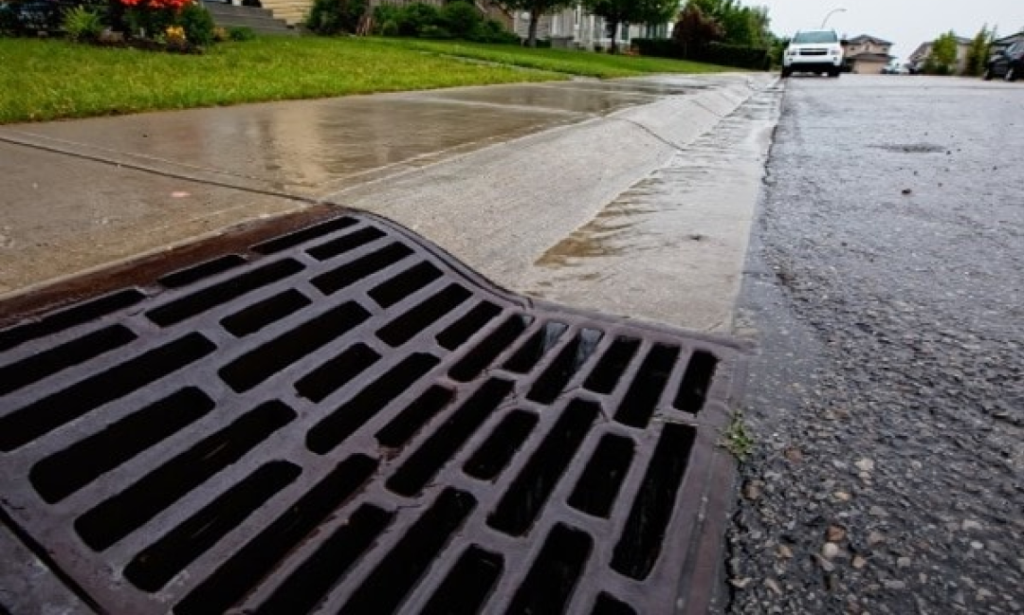
A good rainwater drainage system is needed to manage water overflow, prevent flooding, and safeguard buildings. With appropriate planning, there will be a smooth flow of water, a long-lasting durability, and safety standards.
Assess Site Conditions and Water Flow Patterns
The topography of any site, the type of soil and the natural water flow are all essential factors to consider before designing a rainwater system. Knowledge of surface runoff can help identify problem areas, such as low points or areas of water accumulation. This initial test will ensure the system is designed in line with actual environmental conditions, reducing the risk of future flooding.
Design a Structured and Balanced Layout
Effective drainage design is anchored on a well-organised layout. It must involve well-established water-flow paths, correctly located pipes, and rational outlet locations. The gradient should be properly managed to avoid water flow stagnation. However, the balanced layout also prevents overloading in any part of the system, thereby enhancing its reliability and performance.
Choose Suitable Materials and Components
Appropriate choice of pipes, channels, gutters, and soakaways plays a major role in durability. The materials used are to be resistant to corrosion, environmental climate, and water flow. By hiring a trained drainage design engineer, one can ensure that the most appropriate elements are selected for the project’s needs and are structurally efficient and safe.
Follow Regulatory Standards and Local Practices
The drainage systems installed for rainwater should comply with regional laws and construction standards. Guidelines on drainage practices in the United Kingdom are also useful for ensuring that the system complies with legal and environmental requirements. Compliance not only improves safety but also reduces the risk of penalties, system failures, or costly redesigns in the future.
Plan for Maintenance and Professional Support
An effective system must be readily serviced and checked. By adding access and an inspection chamber, cleaning and repairs will be easier. Collaborating with experienced professionals, such as a drainage specialist in London, ensures the system is designed with long-term performance in mind. Regular maintenance planning further enhances system lifespan and operational efficiency.
The Important Considerations for House Drainage Layouts

Correct planning is used to avoid flooding, blockages, and structural damage, and to ensure that water flows perfectly and the building regulations are adhered to.
Evaluating Ground Conditions and Property Layout
Site analysis is important before drafting a house drainage design, as it involves examining site characteristics, soil type, and the property’s structure. Variables such as soil permeability, and current water flow patterns are also important factors that determine how drainage systems are to be organized. A comprehensive site inspection identifies areas of potential problems where water can be deposited or where water movement is inefficient. Learning about these conditions in advance allows homeowners and professionals to develop a good drainage design.
Structuring a Practical and Efficient Drainage Plan
An effective design will ensure that wastewater and rainwater are directed to the appropriate collection systems. It is also important to ensure that the pipes, inspection chambers, and connection points are properly positioned to eliminate unnecessary bends and pipe length. Moreover, with the proper drainage design is concerned with ensuring that gradients are set to prevent water from stagnating. A logical layout not only enhances system performance but also minimizes the risk of future blockages, leaks and costly repairs.
Using Durable and Appropriate System Components
The selection of suitable materials is important for the reliability and longevity of house drainage systems. Pipes, joints, and chambers are supposed to be strong enough to withstand pressure, environmental conditions, and prolonged use. There should also be consideration of the material selection in terms of corrosion resistance and maintenance. A competent drainage design engineer could be consulted to ensure the most suitable elements are used, depending on the system’s technical needs, so that the system functions effectively over the next few years.
Aligning with Legal and Industry Requirements
House drainage plans should comply with the local authorities’ stipulated legal and environmental standards. It is important to understand building regulations and industry standards to ensure the building is safe and compliant. Awareness of drainage United Kingdom standards helps ensure that layouts meet recognised benchmarks and regulatory expectations. Extensions, additional bathrooms or landscaping changes can significantly impact drainage capacity. Compliance also makes drainage systems environmentally friendly and in line with current construction standards.
Designing for Easy Maintenance and Expert Involvement
Accessibility and maintenance planning were crucial in the long-term performance of house drainage systems. This is easier because it allows the system to be checked and washed regularly, thanks to inspection points and easy access routes. Hiring experienced personnel, such as a drainage specialist in London, would also ensure that the layout design is efficient and long-term maintenance-friendly. Periodic maintenance and timely maintenance also extend the life of systems and help avoid serious drainage issues.
Final Words
To sum up, the importance of effective drainage system design can be highlighted in terms of sustainable design and flood prevention. With the application of sound principles and practices, efficient drainage system designs and projects can be realized. As trends and practices in the coming years escalate, they will emphasize all the smart technologies, eco-friendly designs, and data-driven drainage design. So, partnering with a professional drainage specialist London ensures innovative, compliant, and future-ready drainage systems that meet evolving environmental demands.


Very informative post. Proper drainage design is essential for flood prevention, durability, and compliance. Thanks for sharing these best practices