-
Pingback: The Importance of Flood Risk Consultancy in Urban Development | Flood Risk & Drainage Solutions
Modern Solutions Improving Flood Risk Management Systems
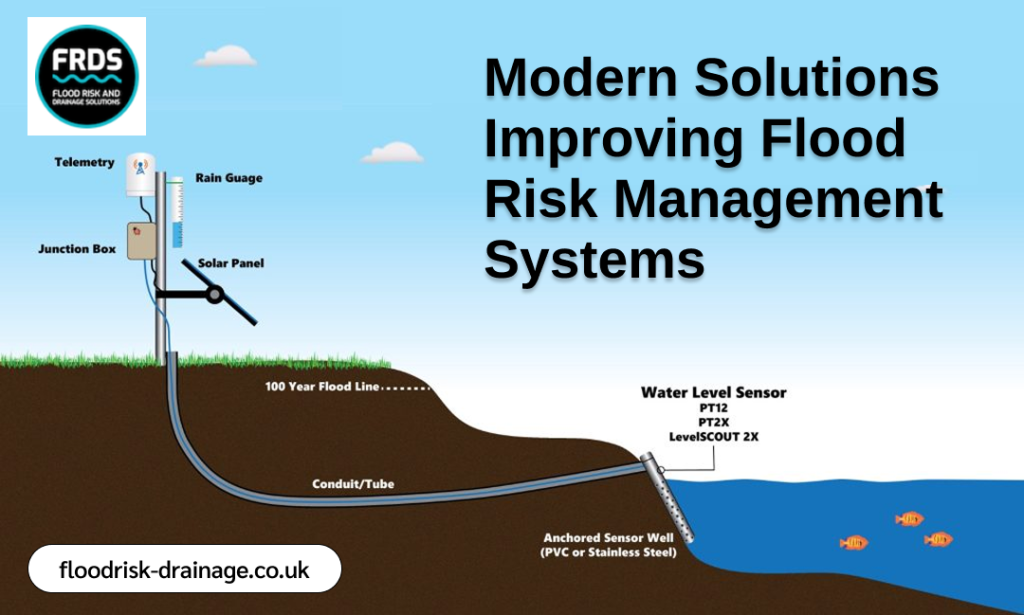
With the current challenges of climate change, rapid urbanization, and unpredictable weather changes, flood risk management has never been more important. All over the world, communities, developers, and policymakers are becoming aware of the need for intelligent Flood Risk Management. Traditional methods alone are no longer sufficient, which is why modern solutions are reshaping how risks are assessed, planned for, and managed.
One of the most impactful advancements in this space is the use of global flood maps. All these tools provide a comprehensive view of flood-prone areas across different regions by helping stakeholders make informed decisions. By visualising all the potential flood zones, the property owners and urban planners can better understand vulnerabilities and implement preventive measures early. It not only protects infrastructure but also reduces long-term financial and environmental costs.
Another important factor contributing to the progress made in this field is the availability of the accurate flood data. With the advent of technology, the accuracy of data collected has improved significantly. Experts can now use this data to assess and predict floods. This approach will not only help save lives and reduce damage during floods but also ensure a timely response to the situation.
The current Flood Risk Management practices also rely on advanced analytics to provide meaningful flood risk insights. Moreover, such an insight is crucial for industries such as real estate, insurance and infrastructure development, where understanding potential flooding exposure can influence major investment decisions. It empowers organizations to move from reactive responses to proactive planning.
However, technology integration is transforming flood risk management. For instance, the use of Geographic Information Systems (GIS), artificial intelligence, and machine learning has enabled the efficient management of large amounts of data. This technology can simulate the risk of flooding and its impact. It can also provide recommendations on the best ways to mitigate the risks. Thus, it ensures the right solutions are implemented to manage risks while maintaining sustainability.
Collaboration also plays a vital role in improving outcomes and flood data. For instance, the government, environmental agencies, and private-sector experts are working together to improve flood risk management. For example, organizations such as JBA Risk Management provide expertise in risk modeling and assessment. Such partnerships ensure that the latest innovations and insights are applied where they are needed most.
In addition to technological advancements, there must be a focus on sustainable, nature-based solutions. These include measures such as restoring wetlands, creating green spaces and improving drainage systems with the best flood risk insight. Therefore, these measures help to manage excess water while keeping the risk of flooding at a minimum and these solutions are environmentally beneficial and help to increase biodiversity. However, with the incorporation of technology and nature-based solutions provides a balanced approach to flood management.
A key feature of modern Flood Risk Management is the alignment of policies and regulations with ongoing scientific advancements. Governments are increasingly implementing good planning guidelines that require developers to assess flood risks before undertaking any project. Such regulations ensure that development in high-risk areas is well regulated, thus controlling the possible damage and recovery costs. Good governance, coupled with scientific expertise, thus provides a more formal and organised flood risk insight to managing flood risks.
Ultimately, the future of Flood Risk Management will be based on the combination of innovation, data, and collaboration. By using the latest tools, communities can effectively prepare for future uncertainties while safeguarding precious assets. In the face of changing risks, the implementation of forward-thinking approaches will be vital in creating a safe place. So, choosing the forward-looking strategies ensure that cities are protected today and prepared for future challenges.