Surface Water Drainage and Why It Matters for Every Property
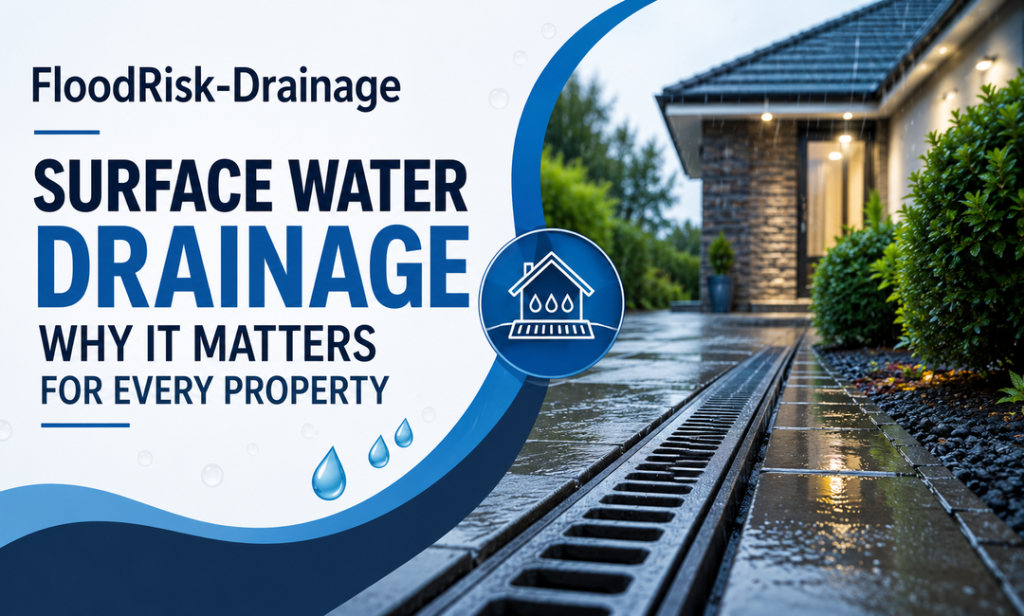
Surface water drainage plays a vital role in protecting homes, commercial developments, and public infrastructure from excess rainwater. Thoughtful drainage solutions not only minimize floods and soil erosion but also help to avoid damage while ensuring the safety and proper functionality of the property. A well-prepared drainage design layout provides for the effective functioning of drainage systems. So, with the help of the Sustainable Drainage approach, development will be able to handle runoff in a responsible way and achieve positive results.
What is Surface Water Drainage and Why is it Important?
Surface water drainage is a system designed to collect and safely direct rainwater away from roofs, roads, driveways and other outdoor surfaces. Unlike wastewater drainage, which carries used water from buildings, surface water drainage manages rainfall and runoff. Moreover, it channels all the excess water to drains, soakaways, ponds or other approved outlets, helping prevent water from accumulating around properties and reducing the risk of flooding. Let’s understand why it is important:
- Prevents flooding during heavy rainfall.
- Protects building foundations from water damage.
- Reduces soil erosion and landscape deterioration.
- Minimises dampness, mould and standing water hazards.
- Supports environmental protection by controlling rainwater runoff.
How Does a Surface Water Drainage System Work?
A surface water drainage system is a system that captures, conveys and releases rainwater safely in a structured manner. All of these components help to reduce flooding, safeguard property, and manage excess runoff effectively.
- Collects Rainwater from Roofs: It starts with rain falling on roofs and other impervious surfaces. Rainwater is collected by gutters along the edges of the roof and not allowed to run over the walls or around the building foundations.
- Transfers Water Through Downpipes: Rainwater is collected in the gutters and then safely transported to the ground by downpipes. This controlled flow will help to keep water from accumulating around the home and minimize the potential for structural damage, helping replenish groundwater.
- Captures Runoff from Outdoor Surfaces: Modern drainage systems are designed to handle varying rainfall levels. Rainwater from driveways, pathways, roads and parking areas is collected in surface drains and channels. These systems keep water from standing and remove excess water quickly.
- Moves Water Through Underground Pipes: An underground pipe network transports the collected rainwater from surface drains to a designated discharge point. The pipes are carefully designed to maintain efficient water flow and then minimise the chance of blockages or flooding.
- Safely Discharges or Stores Rainwater: The water collected is channeled into soakaways, retention basins or local drainage systems. These systems either let water percolate naturally into the ground or discharge it safely into approved outlets, which helps to minimize flood risk, property damage, and long-term surface water management.
Common Types of Surface Water Drainage Systems
The type of drainage system will vary depending on the property, site conditions, soil type, rainfall and project needs. Selecting the appropriate solution can help to control rainwater and minimize flood risks.
- Soakaways: Soakaways are underground structures that collect rainwater and allow it to soak into the surrounding soil gradually. They are often found in residential developments where the ground has a good drainage capacity and adequate permeability.
- Channel Drains: Channel drains are long, narrow drainage channels with protective grates. They catch the rainwater from driveways, patios, walkways and parking areas and move the excess water into the drainage system before it can pool on the surface.
- French Drains: A French drain is a trench filled with gravel and a perforated pipe. It captures groundwater and surface runoff and transports excess water away from waterlogged, damp, or foundation damage areas.
- Sustainable Drainage Systems (SuDS): Sustainable Drainage Systems (SuDS) are systems that are designed to manage rainwater naturally, slowing, storing and filtering the rainwater. Common SuDS include permeable paving, swales, rain gardens, detention basins and retention ponds, which help to mitigate flood risks and enhance water quality.
- Surface Water Drain Networks: Rainwater from hard surfaces such as roads, roofs, and other surfaces in towns and cities is collected in surface water drains. The water is then conveyed via underground drainage systems to approved discharge points, including rivers, soakaways or attenuation systems by ensuring safe and efficient water management.
Key Surface Water Drainage Problems and Solutions
Drainage systems in surface water may at times encounter various challenges because of neglect, aging equipment, and lack of proper planning. Identifying these problems early and implementing the right solutions helps maintain an efficient drainage system and reduces the risk of flooding and property damage.
Blocked Gutters and Downpipes
Gutters and downpipes can become clogged with leaves, twigs and other debris, which can prevent rainwater from draining properly. Regular cleaning and routine inspections ensure efficient water flow, minimize overflow, and prevent water damage to buildings due to heavy rain and clogged drainage elements, reducing the risk of flooding.
Poorly Planned Drainage Layouts
An ineffective drainage design can cause water to collect around buildings and paved areas. Underground drainage systems, when designed can help to ensure that rainwater is safely directed to the right discharge points, thereby minimizing flood risks by safeguarding foundations, and enhancing the overall efficiency of the drainage system.
Damaged or Blocked Drains
Cracked pipes, collapsed drains and debris accumulation hinder water flow and decrease system performance. Regular inspections, cleaning and timely repairs ensure that the drainage system operates efficiently by reducing the risk of expensive repairs due to neglected drainage infrastructure and preventing standing water.
Inadequate Capacity During Heavy Rainfall
Older systems may not be able to cope with the additional rainfall, leading to flooding and surface water. Excessive runoff can be managed and overall drainage performance enhanced by a well-planned surface water drainage strategy and the use of Sustainable Drainage Systems (SDS) like soakaways, swales and permeable paving.
Soil Erosion and Poor Water Management
Excessive runoff can erode soil, ruin landscaping and undermine surrounding structures. An experienced drainage design engineer can create effective drainage systems that manage runoff, safeguard infrastructure, comply with regulations, and ensure long-term water management in residential and commercial projects.
Final Words
To sum up, well-designed drainage provides a permanent safeguard for properties, ensures compliance, and encourages proper water management practices. By adopting sound surface water drainage systems, one can reduce flood risks, safeguard infrastructure, and promote sustainability. Proper design of the underground drainage system will provide an effective means of rainwater collection and discharge. By collaborating with professional drainage experts, you will be able to design top and cost-effective drainage solutions that are compliant with regulations.