Professional Flood Risk Consultant on Your Side
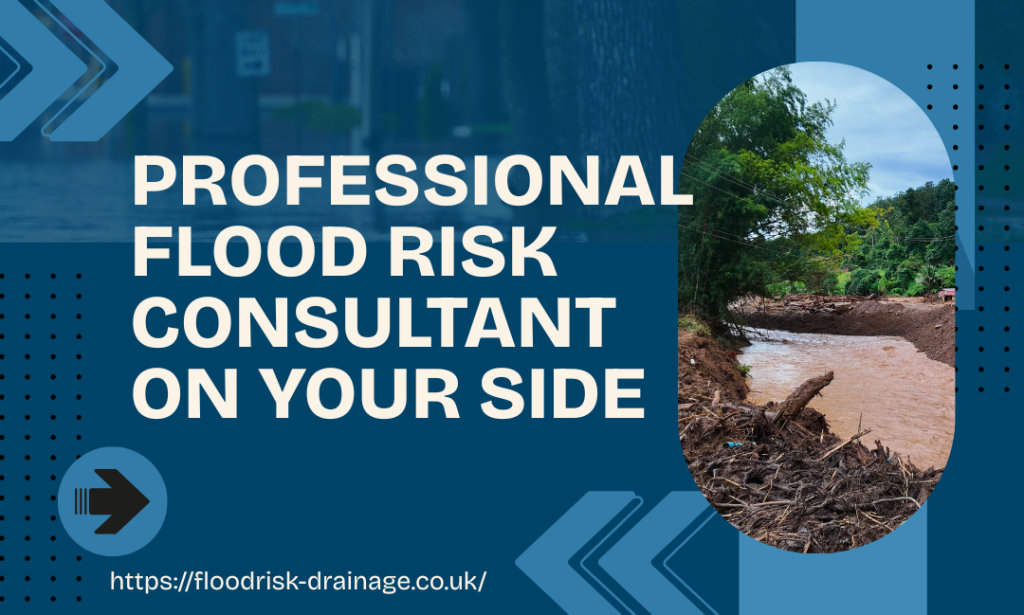
In an era of unpredictable weather conditions and rapid urbanization, professional flood risk planning is no longer optional, but it is a critical necessity. Flood risk consultants play an important role in safeguarding all your properties and infrastructures from any kind of water damage. By combining advanced hydrological modeling with local environmental data, these experts identify all the vulnerabilities before they become costly disasters. Therefore, with their proactive insights, not only do they protect high-value assets and also ensure regulatory compliance, but also save lives, securing long-term resilience for communities and developments alike.
Why Flood Risk Assessments Are More Important Than Ever
Climate change and the growth of urban areas have completely transformed the nature of water movement within our environment. The old methods of mapping flood risks are no longer adequate for predicting the severity of present weather conditions. For this reason, Flood Risk Assessment (FRA) has shifted from being merely administrative to becoming a vital tool in safeguarding investments and lives.
- Combating Climate Extremes: Rising sea levels and intense, unpredictable downpours mean areas historically considered safe are now facing unprecedented flooding.
- Navigating Strict Regulations: Local planning authorities today follow very strict environmental rules; obtaining an FRA may be necessary to obtain permits to construct buildings.
- Ensuring Safety and Preserving Resources: Beyond protecting costly infrastructure, proper planning helps develop exit strategies to prevent injuries.
- Supply Chain Protection and Business Continuity: Floods not only damage the physical infrastructure but also disrupt business operations. FRAs help protect crucial infrastructure, such as computer servers, stock, and power supply, by keeping them above flood levels.
- Property Value and Marketability: Flood-resistant buildings are highly desirable because they have been certified as flood-safe or designed with flood resistance in mind.
Reasons Why You Need a Professional Flood Risk Consultant
Engaging a professional flood risk consultant is the only way to ensure your investments are always protected from water-related risks. They have extensive knowledge of complex environmental issues, including strict planning laws and drainage systems.
Navigating Complex Flood Risk Assessments (FRAs)
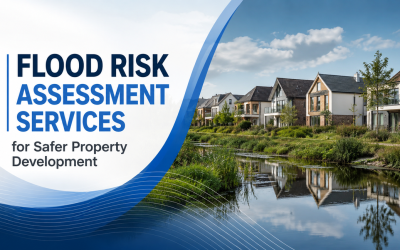
It is necessary to hire a consultant to help you navigate the complex process of obtaining planning permission. While many think this means filling out paperwork, this expert uses hydrological modeling to assess information and forecast future changes based on conditions in your area. By understanding your property’s weaknesses, the expert can suggest mitigating measures that meet the strict requirements imposed by local authorities. As a result, you will receive permission to develop your project while also preventing the disaster of building something that might not withstand severe weather.
Conducting Precise On-Site Flood Surveys
While desktop data is essential, it may not be enough at times. Therefore, a consultant will perform topographical surveys of your land to understand how water will move and where it can flow. In addition, they will define the exact threshold level, identify weak points in local drainage, and determine structures directly exposed to flood risk. Finally, using this information, the consultant will propose property flood resilience (PFR) actions to maintain your building’s structural integrity in the event of flooding.
Delivering Honest Homebuyer Flood Risk Reports
Purchasing property is a major responsibility, and while an environmental survey may yield general results, it will not be enough to ease your concerns. A flood risk consultant can provide you with a Homebuyer Flood Risk Report that offers a closer look than conventional hazard maps. They examine local defenses, previously undetected flooding in the area, and whether you can obtain flood insurance coverage. Such expert evaluation protects you from buying a high-liability property, giving you the leverage you need to negotiate property prices or walk away from a high-risk investment.
Developing Sustainable Drainage Systems (SuDS)
Urban sprawl removes natural water-absorbing surfaces by covering land with hard, impermeable surfaces such as concrete. To combat this issue, a flood risk consultant creates customized drainage systems designed using sustainable drainage systems (SuDS). SuDS incorporates many elements such as green roofs, previous surfaces, attenuation tanks, and soakaways into your design. Through their masterplanning services, they replicate natural water cycles, collecting and delaying stormwater flow without damaging the local sewer infrastructure.
Risk Assessment through Surface Water Drainage Evaluations
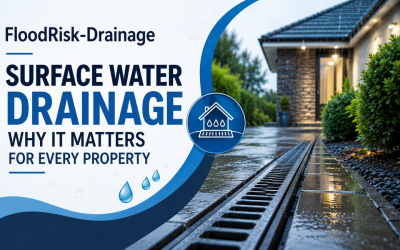
The problem of surface water drainage, also known as pluvial flooding, is rapidly increasing and often occurs far from the rivers and oceans. By analyzing soil infiltration rates and topography, they pinpoint where water will pond and accumulate. Flood risk consultants utilize the advanced climate projection software to simulate future weather scenarios over the next 50 to 100 years. So, it allows them to design effective management schemes that keep access routes clear, safeguard building foundations, and meet the strict environmental criteria insurers demand.
The Role of Flood Risk Consultants in Drainage Planning
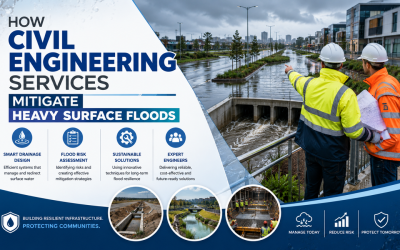
The flood risk consultants serve as the link between hydrological science and engineering practice, ensuring that contemporary construction sites have a reliable way to manage water without affecting their surroundings. Here is how a good drainage design engineer ensures a successful drainage system design:
- Custom Sustainable Drainage System (SuDS): They design bespoke sustainable drainage systems that use green roofs, previous pavements, and retention basins to mimic natural water cycles and manage surface runoff at its source.
- Compliance with Regulatory Requirements: They navigate the complex local planning policies and environmental regulations, producing professional and right reports that meet all the council requirements to secure project approvals.
- Prevention of Surface Water Runoff: They estimate pre- and post-development water runoff levels and employ intelligent methods to manage runoff without increasing flood risks to downstream properties.
- Assessment of Sewer Network Capacity: Before connecting the new drainage design to the infrastructure, consultants assess the capacity of the existing sewer system in the area to prevent overloading and backups into neighboring homes during storms.
- Water Quality Management Integration: Drainage is not just about managing volumes but it also involves ensuring quality. Consultants design the system to include filtration mechanics such as reed beds and swales to clean polluted surface runoff before discharging it into local waterways.
Final Words
To sum up, in an increasingly risky world as far as climate change is concerned, it would be sensible to partner with a flood risk management consultant to protect your interests in the long run. This is because the professional’s knowledge will guarantee compliance and ensure that the drainage system of the property under development is sound and reliable. Thus, partnering with the expert flood risk consultant today means building safer, stronger and more sustainable developments for the future.