
A Complete Guide to Understanding the Flood Risk Cost in 2026
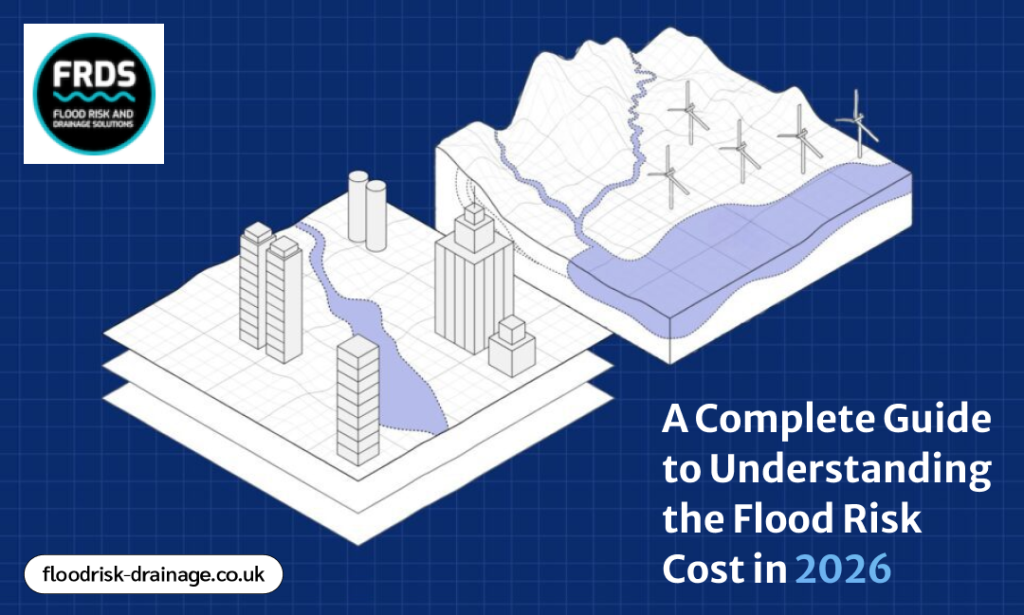
Understanding flood risk is a critical step in ensuring the safety, sustainability, and legal approval of any property development. A professional Flood Risk Assessment will help identify any weaknesses in the area of concern and support informed decision-making. However, investing in a professional flood risk assessment helps reduce future risks, avoid damage, and support long-term security. For both the owner and the developer, the total cost of the evaluation process is a significant factor, but a professional assessment will help avoid future damage.
What is a Flood Risk Assessment?
A Flood Risk Assessment is an extensive study of a location that entails preparing a report listing all types of flood risks and their safety implications. The main purpose of a flood risk assessment is to identify risks in advance and identify preventive measures to protect the site during flooding.
Most people usually wonder about the cost involved. But in most cases, the charges associated with a flood risk assessment can be complicated. There is no clear price for a flood risk assessment because costs depend on specific factors. The following guide will help you know what it takes to keep your site safe from flooding.
Average Cost of Flood Risk Assessment Explained
The Flood Risk Assessment cost varies depending on the project’s scope. If you have a minor project involving fewer than 9 dwelling houses, expect to pay a starting fee of about £650. However, if you have a larger project with at least 10 dwellings, expect to pay a minimum starting fee of £1,850.
Normally, the total cost is between £299 and £899. This variability depends on many factors, such as site location, flood zone, information needs and the level of detail required in the technical report. Additional elements, such as hydraulic modelling, planning authority requirements, and the urgency of delivery, can also influence the final price.
Drainage and Other Major Costs
For large projects, a significant amount should be allocated to the drainage system to manage water effectively and reduce the risk of flooding. The flood risk cost will always depend on the type of development. These prices are indicative and can vary based on location, site conditions, regulatory requirements and specific needs.
- Generally, drainage costs range from £2,000 to £3,000 for small areas with fewer than 10 houses.
- For business areas, the cost is around £3,600 and usually covers up to 10 or 15 houses.
- The cost of draining in larger business areas will increase to around £4,800 and usually involves 50 to 200 houses.
- For very large developments with 200 or more houses, the price will exceed £7,200.
- For mixed-use developments, drainage costs may vary widely and exceed £6,000, depending on layout, design complexity, and site requirements.
Key Additional Charges Explained
Other costs to be taken into account include those associated with any extra investigations necessary to ensure your project has an adequate budget for all aspects of planning and assessment. Such costs may include technical studies and data gathering necessary for accurate reporting.
- The most expensive of them is watercourse modelling, which can cost up to £12,000 due to its detailed nature.
- The costs of infiltration testing usually range from £1,000 to £3,000, depending on the on-site situation.
- Finally, the costs of sewer records and developer enquiries do not exceed £350 and are necessary for the comprehensive assessment of the situation.
The Top Factors Affecting the Flood Risk Assessment Cost
The flood risk cost depends on the level of information required. A basic or primary assessment is usually less expensive, while a detailed study can increase the overall cost to several thousand pounds. So, several important aspects determine the price of the assessment:
Flood Screening Study
This part involves analyzing data collected from the planning authority and environmental authorities. Information on the effect of infrastructure on the area is also assessed here. This step determines whether further action is needed, thereby enabling cost savings.
Flood Scoping Study
As a continuation of the first step, the second step provides an understanding of past flood events, flood sources, and drainage matters. Fast-track or urgent reports often come with higher fees due to shorter delivery timelines.
Additional Tests
Additional tests, such as sequential and exception tests, would also increase costs. A sequential test is generally conducted in flood zones 2 and 3 to identify safer areas for construction, while an exception test is required if suitable land cannot be found.
Final Words
To sum up, the exact cost of a Flood Risk Assessment cannot be determined without reviewing the project’s specific details. It is therefore advisable to consult Flood Risk and Drainage Solutions to obtain a precise quote for their project. Our highly skilled professionals will advise on the best way to choose an ideal site and safely construct development projects in compliance with all regulations.
Hi my name is kul
I need a flood risk assessment report for my small extension front side of my house like porch can you help me to give a cote how much does it cost?