What Is a Flood Zone? Everything Homeowners Need to Know
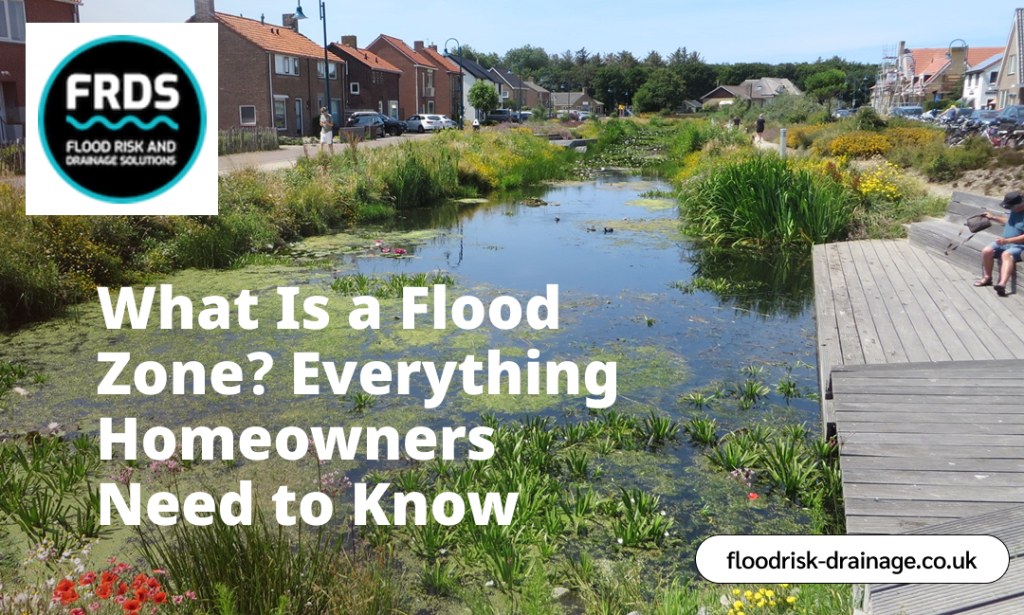
Flood zones are important because they help homeowners understand their flood risk. Flooding is becoming the norm due to unpredictable weather, increased rainfall, and the construction of buildings. Given the unpredictable weather and increased rainfall, flooding is not an event homeowners need to worry about in the future. The homeowners in such regions have become witnesses to unexpected damage to their properties caused by floodwaters, resulting in financial losses. Understanding your flood zone can help you protect your home, finances, and peace of mind. Being informed about your flood zone can be an essential factor in securing your future.
What Is a Flood Zone?
A flood zone is a geographic area that identifies different flood risk levels. Flood zones are produced using rainfall, river runoff, coastal tides, and elevation data. They help homeowners and buyers understand the flood risk in a given area.
How to Find Out If Your Property Is in a Flood Zone
Information about whether your property is at risk of flooding is vital for protecting your house and making informed decisions. Knowing how to verify your property’s flood status, you can prepare in good time, minimise harm, and have peace of mind.
Check Official Flood Maps
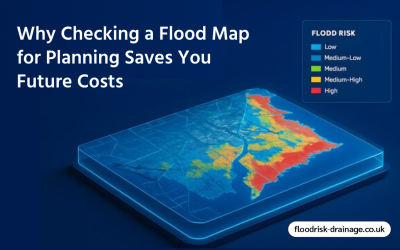
The initial and most credible step is to check the official flood maps given by local or government authorities. These maps use historical information, rainfall, river levels, and coastal data to demonstrate areas at risk of flooding. You can easily know whether your property is in the flood zone 1 or in any other kind of risk by entering the address of your property. Such maps are updated regularly, making them a reliable starting point for homeowners, buyers and landlords seeking specific, location-based information.
Review the Local Planning and Land Records
Flood risk classifications are frequently stored online or in local councils and planning departments, which will have extensive land and property records. Such records might include zoning information, a history of flooding, or a development restriction in flood-prone areas. Looking through the planning documents would help you understand how your property has been evaluated over the years and whether it is located in flood zone 2, which is characterised by a moderate level of risk. The information is invaluable in purchasing property or when carrying out renovations or extensions.
Research Local Flood History
Knowing what has occurred in your locality in the past can reveal risks that are not well depicted on maps. Interview neighbours, consult local news archives and review council reports to identify past flood incidents. Known problem areas with recurring issues are associated with rivers, drainage capacity or surface water buildup. Previous experience provides practical insights into how flood risks can affect everyday life and property security.
Assess Drainage and Infrastructure Conditions
The risk of flooding is not just about rivers and rainfall; it also concerns the management of water carried around your property. Check the drains, gutters, and sewage systems around and observe the flow of water when it rains heavily. Flood risk may also be enhanced in areas not included on the high-risk charts due to poor surface water management or outdated foul drainage design. The hidden vulnerabilities associated with the drainage and infrastructure performance can be determined with the help of consulting engineers or surveyors.
Consult Professional Environmental Experts
To obtain a more comprehensive and customised evaluation, it is possible to work with experts who assess land, water, and environmental threats. A qualified flood risk consultant can conduct comprehensive flood risk inspections, analyse complex information, and make recommendations on mitigation strategies. This alternative is handy for developing property, commercial premises, or high-priced homes. Professional advice helps you understand not only the existing risks but also potential future changes that may affect the safety and compliance of your property.
Reasons for Flood Zone Changes and What They Mean
Changes in flood zones can result from numerous factors and significantly impact property safety, the planning process, and long-term risk management.
Updated Climate and Weather Data:
New climate data may alter flood zones. More severe storms, increased rainfall, and rising sea levels may reveal previously undocumented flood risks. Such updates help authorities be more accurate about the current state of things.
Changes in Land Use and Development:
Regular water flow can be altered by urbanisation, road construction, and new building construction. Replacing green spaces with concrete can speed water flow and increase flood risk, potentially leading to a new classification of flood zones.
Improved Mapping Technology:
The innovations in satellite imagery, modelling software, and surveying techniques enable more accurate flood mapping. Improved technology will be able to shift boundaries, moving properties either into or out of flood areas.
Flood Defence Projects and Infrastructure:
New flood barriers, drainage improvements, or river management projects can remove risk in some areas. With increased protection, the flood zone ratings can be changed to indicate safer conditions.
Natural Changes in Rivers and Landscapes:
Rivers may change over time, altering their courses, banks, and deposition, and altering the manner in which water disperses during heavy rain. Some flood zones are increased, and others are reduced by natural processes such as soil erosion or land subsidence, requiring authorities to revise flood zones.
Final Words
To sum up, knowledge of flood maps helps homeowners understand the dangers and prepare accordingly. From insurance coverage to modifications to your residence, being aware of your address’s flood risk can help you avoid unpleasant situations. Staying updated flood risk information can help homeowners take timely action in line with local flood risks. Staying up to date with the latest information can help homeowners adjust accordingly and remain ready for harsh weather conditions.