Common Mistakes in Building Regs Drainage Layout Plans
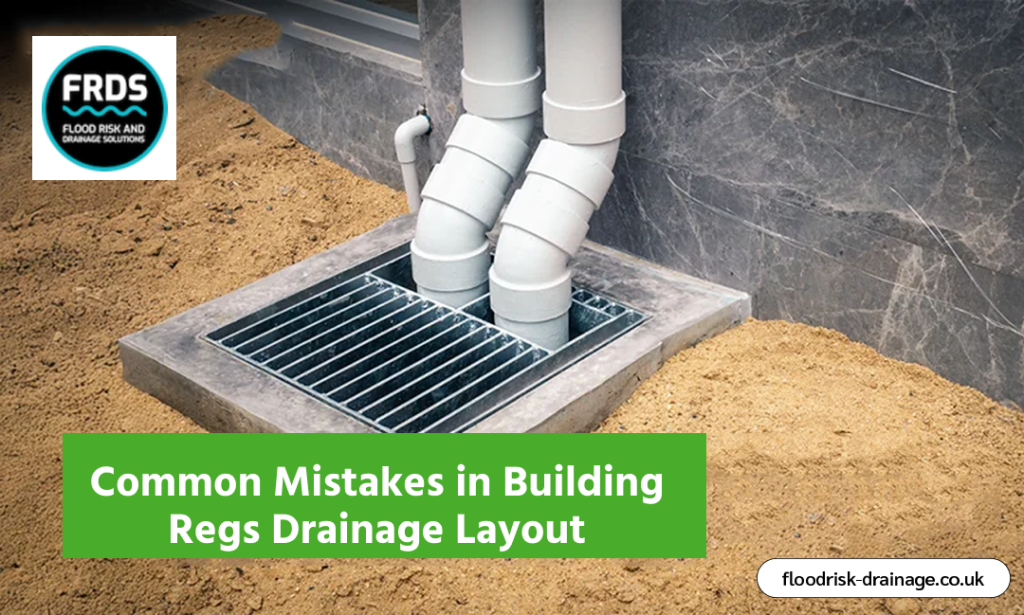
Proper drainage planning will ensure the safety of a building, its structure, and its durability. An effective system will enable the movement of wastewater and surface water off the property at an effective rate, minimising the risk of flooding, dampness, and foundation damage. Proper spacing of an underground drain pipe will enable easy flow, facilitate maintenance, and reduce future repairs. Regulations are important for construction approvals, as the government needs to know that the drainage complies with the regulations and is permitted. A building regs drainage layout is detailed and helps avoid delays and expensive amendments, ensuring the project fully adheres to the requirements before work starts.
The Common Mistakes To Avoid in Building Regs Drainage Layout Plans
The drainage plan should be designed to comply with and ensure future safety. Knowledge of layout planning pitfalls prevents delays, costly fixes, and drainage issues.
Ignoring Site Levels and Natural Water Flow
Among the most frequent errors in a building regs drainage plan is failing to research site levels before preparing it. Drainage depends on gravity, and improper evaluation of the level may lead to stagnant water or sluggish flow. Blockages are common, and maintenance costs increase when the underground drainage pipe route is not aligned with natural falls. In the typical UK house drainage design, improper slopes often affect the performance of domestic drainage systems. The builders have to evaluate ground conditions to ensure that the drainage piping allows drainage to flow and that waste is drained at the appropriate level without the need for artificial means.
Incorrect Pipe Gradients
Gradients in home drainage pipes are very important, but they are often neglected. When the drainage piping is shallow, waste movement is not effective. In cases of excessive steepness, solids may segregate and cause blockages. A building regulation drainage plan defines gradients of all underground drainage pipes permitted, depending on pipe size and intended purpose. It is also common for the drainage patterns of many houses to fail, as the gradient becomes uneven during construction. Proper gradients ensure a smooth domestic drainage system and reliable rainwater drainage by limiting long-term repair costs and avoiding regulatory rejection.
Poor Separation of Foul and Surface Water
It is a big mistake to plan to mix foul waste with rainwater drainage. Regulations imply the separation of systems to avoid contamination and congestion. Improper building code and drainage plans that integrate these systems may lead to flooding, foul odours, and failed inspections. In the domestic drainage design, the routes of underground drainage pipes should be identified to indicate separation. The problems with many standard house drainage layouts stem from unintelligible drawings or shortcuts taken in the field. Planning will ensure effective drainage piping for each type of water safely.
Inadequate Access Points for Maintenance
The other typical error is the inability to provide adequate access points to cleaning and inspection. Drainage systems in homes also need inspection chambers at major crossroads and at junctions. The lack of access could make it possible to dig a long hole even for minor problems in an underground drainage pipe. An effective building regulations drainage plan has well-marked chambers that enhance long-term use. Access planning is poorly implemented in conventional UK house drainage systems, resulting in costly maintenance issues. Well-planned drainage piping means blockages can be cleared more quickly, so drainage systems remain open and continue to drain rainwater and waste.
Overlooking Existing Drainage Connections
New drainage systems may be linked to existing drainage systems whose drainage systems are unknown, or the drainage is old and may cause failures and compliance problems. An accurate building regulations drainage plan should indicate how underground drainage pipelines relate to existing networks. Loss of records in typical UK house drainage designs often results in poor alignment of drainage piping. Pre-meditating current drains before design would avoid expensive alterations, and drains for rainwater and wastewater would drain without overloading the system.
Using Incorrect Pipe Sizes
Pipe sizing errors may have serious consequences for domestic drainage performance. Small drainage pipes cannot handle much flow, whilst large pipes can separate waste. A compliant building regulations drainage plan defines the sizes of pipes in accordance with the relevant rules. In a typical UK house drainage plan, the dimensions of the pipes used for kitchen waste, bathroom waste, and rainwater drainage would differ. Moreover, proper sizing aids smooth operation, reduces blockages and ensures efficient, long-term drainage.
Poor Ventilation Planning
Ventilation is needed to balance pressure in domestic drainage systems. Unless it is well ventilated, networks of underground drainage pipes can experience slow flow and siphoning. To obtain approval for a building regulations drainage layout, ventilation points should be depicted. The drainage system in a UK house is usually poorly ventilated, leading to odours and pipes that vibrate and make noise. Proper drainage piping design allows the free flow of air to enhance the flow of waste and rainwater, and of internal plumbing, to avoid long-term damage.
Final Words
To sum up, designers are aware of site conditions, flow requirements, and long-term maintenance requirements, which reduce the likelihood of construction errors. Designing drainage the way it should be at an early stage saves money on correcting mistakes later. An adequately designed typical house drainage layout ensures proper wastewater flow, enhances the lifespan, and eases accessibility for future repairs. So, planning also adds value to the property by providing a safe and regulatory-compliant drainage system.