Flood Risk Survey to Help You Buy Property with Confidence
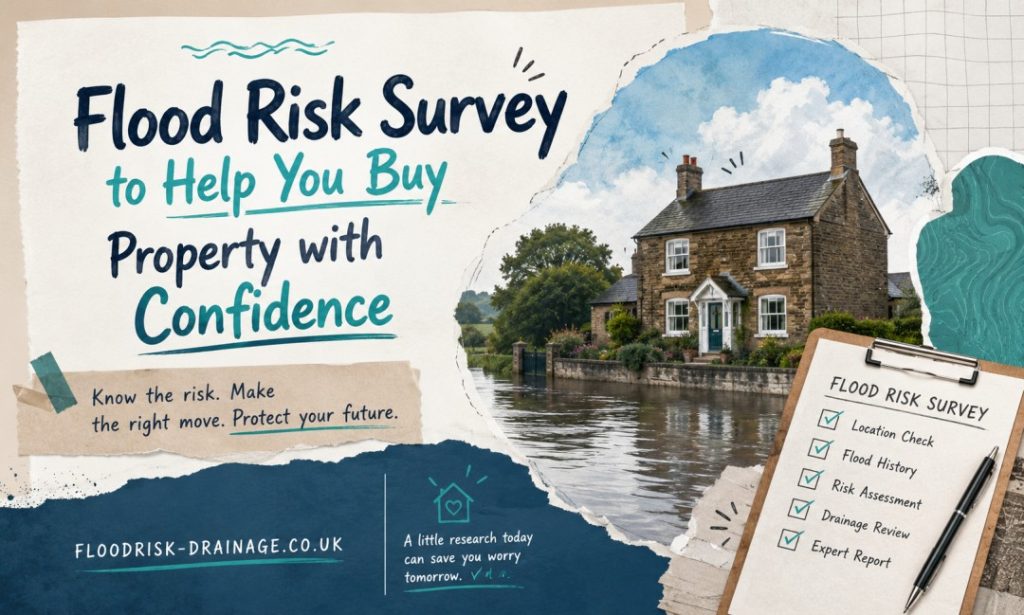
Buying a property with a potential flood risk can be challenging, especially when conveyancing or environmental reports flag a property as “high risk” without providing detailed context. While these reports help identify possible concerns, they often do not explain the actual level of risk to the specific property. A flood risk survey by professionals provides a comprehensive look at this problem and can help a buyer make the right decision when purchasing a piece of property. By gaining an understanding of flood risk, buyers can make the right decisions and ensure their investment aligns with their long-term goals.
What Is a Flood Risk Survey?
The term flood risk survey describes a process of evaluation aimed at determining the probability of a property being vulnerable to flooding. This assessment involves analysis of various elements such as the historical incidence of flooding within an area, water bodies nearby, drainage, topography and environmental information. Unlike basic screening reports, a flood risk survey provides property-specific insights, helping buyers understand potential risks, insurance considerations, and any measures that may be needed to protect the property from future flooding.
Why Property Buyers Should Consider a Flood Risk Survey
The flood risk assessment will assist individuals purchasing properties to know more about the possible risks associated with flood dangers. This can be instrumental in helping them make more informed choices.
Clear Understanding of Potential Flood Risks
A flood risk survey is a thorough analysis of the flood risk to a property. Instead of relying on general environmental search results, buyers are provided with property-specific information that will enable them to determine the actual risk level and whether that risk should affect their purchase decision.
Avoid Unexpected Financial Costs
Expensive repairs, maintenance and property improvements can result from flood damage. When a potential home buyer is aware of potential flood problems prior to purchase, they can plan for future costs and not be surprised by additional expenses after the purchase.
Understand Insurance Implications
Homes in flood zones can be required to pay a higher insurance premium or to have extra coverage. A flood risk survey assists consumers in understanding how flood risk might impact insurance availability and costs, and helps them plan for future ownership costs.
Support Better Property Investment Decisions
The flood hazard may affect the value of a property over its lifetime. Being aware of the risks involved prior to buying allows buyers to determine if the asking price is a fair valuation for the property. This can also help in negotiations with the sellers if needed.
Increase Confidence During the Buying Process
A detailed flood risk survey offers a factual report that gives buyers more confidence in making informed decisions. Knowing the flood exposure of the property gives the buyer peace of mind, knowing that they have taken an important factor into consideration that could impact future ownership, maintenance and resale.
What Does Our Flood Risk Survey Assess For Your Property?
A comprehensive flood risk assessment evaluates all possible sources of flooding to which a property may be exposed. The hazard assessment evaluates both natural and artificial sources of flooding, thus providing a better understanding of vulnerabilities.
Rivers and Watercourses
A flood risk survey is a risk assessment of a property to determine if there is a risk of flooding from any nearby rivers, canals or other watercourses. These water bodies may overflow especially during wet seasons. The assessment takes into account the location of the property near watercourses, past flood events, topography and flood protection. Knowing the risk of flooding along rivers can assist a buyer in determining if the property may be subject to flooding during severe weather.
Surface Water Runoff
Surface water flooding is caused by a combination of heavy rainfall and drainage systems that are unable to cope. Moreover, roads, driveways, and adjacent ground can fill with water prior to entering buildings. A flood risk survey involves studying the drainage patterns, land slopes, and places where water may pool in the community. However, this is especially significant when surface water flooding occurs well away from rivers or other significant water sources.
Groundwater Flooding
Groundwater flooding occurs when groundwater levels are elevated and are brought to the surface. This type of flooding may be more insidious, but can be very damaging to foundations and underground structures. A flood risk survey evaluates the geology, soils and past groundwater information to see if a property is potentially vulnerable. When buying a property, it is important to understand the risk of groundwater, as this can impact the property’s condition and maintenance needs in the long term.
Sewer and Drainage Systems
Poor sewer and drainage systems may cause flooding during rain. A survey is done to evaluate the condition of the local drainage systems and to determine if the property’s location could be impacted by drainage problems or sewer surcharges. Assessing these systems can help to understand how well the excess water can be managed and if any concerns could make the area vulnerable to flooding.
Artificial Sources Such as Reservoirs
Artificial water sources, such as reservoirs, canals, and water storage facilities, are also taken into account in flood risk assessments to help make informed decisions. Although failures are rare, these structures can pose a flood risk if they become damaged or are harmed. The survey assesses the location of the property in relation to these and the potential impact. Evaluating artificial flood sources provides a thorough understanding of all factors that may affect flood risk to the buyer.
Warning Signs to Look for Before Buying Property
Recognizing these red flags early will help buyers understand the possible flood issues and make better decisions when investing in a property.
Evidence of Previous Flood Damage
Flooding history is evident on the landscape and may be an indicator of future flood potential. Check for water stains on walls, damaged flooring, damp patches, or replaced lower-level fixtures. These indicate that the property has had water intrusion in the past.
Proximity to Rivers or Low-Lying Areas
Flooding can affect a property if it is close to a river, stream, lake or low-lying areas. Being near water does not necessarily mean that a property is in a flood hazard, but it is important to know the history of flooding and determine if the water could be a hazard.
Poor Drainage Around the Property
Drainage issues may be indicated by standing water in gardens, driveways or surrounding streets after a rain. Surface water flooding may be more likely due to poor drainage, and may result in long-term maintenance issues for property owners.
Flood History and Environmental Reports
The history of flooding in the area can be researched and offers information about potential flooding. A search of the environment, local authority records and consultation with neighbours may uncover past flooding incidents that could impact your decision.
Limited Flood Protection Measures
If flood defences or resilience features do not protect a property, it could be more vulnerable. See if flood barriers, raised electrical systems, or other protective measures are present. Flood mitigation features may be necessary for properties that do not have them and may be more costly and riskier in the future.
Final Words
To sum up, being aware of flood risks prior to buying a house will allow you to avoid unpleasant surprises and be a more informed purchaser. Although preliminary searches may be able to identify issues, a flood risk survey can give you all the information necessary to evaluate risk properly. Taking all the factors into account, including previous flood incidents, insurance implications, and the resilience of the area, buyers will have a clearer understanding of what they are getting into.