The Role of Lead Local Flood Authority in Flood Planning
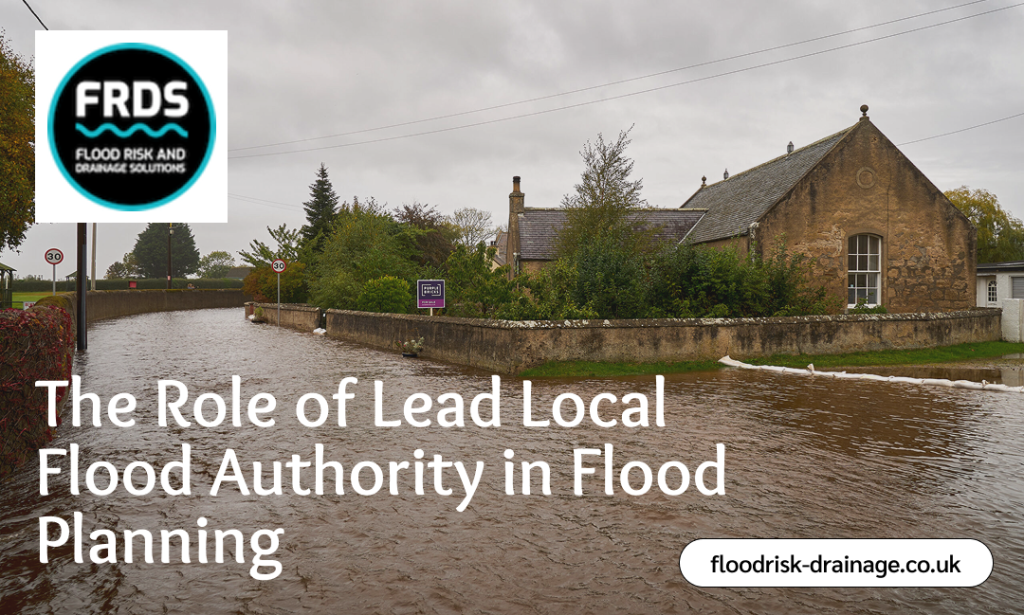
Local flood management is vital to protect communities, infrastructure, and the environment from rising flood levels. Effective planning can help minimise the consequences of floods, promote safety, and make the region more sustainable. Lead Local Flood Authority has a significant role to play in managing local strategies and effectively handling its responsibilities related to floods. Through close cooperation with various organisations, the LLFA can effectively facilitate informed decision-making processes. Thus, professional flood risk assessment services can also enhance planning to effectively implement flood prevention solutions.
What Is a Lead Local Flood Authority (LLFA)?
A Lead Local Flood Authority is an authority in charge of managing flood risk in its area of jurisdiction. Lead Local Flood Authorities were established through the Flood and Water Management Act 2010. A Lead Local Flood Authority is tasked with the development, maintenance, application, and monitoring of the Flood and Water Management. LLFAs must carry out assessments, prevention and the enhancement of flood planning strategies to mitigate the effects of flooding within their areas of jurisdiction. They also collaborate with local councils, environmental agencies, and communities to improve resilience, ensure regulatory compliance and also promote long-term, sustainable flood risk management solutions.
What Are the Main Responsibilities of an LLFA?
A Lead Local Flood Authority is very important in flood risk management, sustainable development, and enhancing local flood resilience.
Developing Local Flood Risk Strategies
It is the mandate of the LLFA to develop and implement local measures to mitigate flood risks. These plans aim to identify weak points, prioritise activities, and align them with the local government and stakeholders. The LLFA facilitates communities’ preparation and mitigation of flood effects by aligning policies with long-term planning objectives.
Investigating Flooding Events
Under Section 19 of the Flood and Water Management Act (2010), the Lead Local Flood Authority has an obligation to document and investigate all major flooding incidents (regardless of the cause). Such an accountability ensures that all causes of flooding are identified and recorded, helping authorities improve future flood prevention and enhance local resilience.
Supporting Flood Risk Assessment and Planning
The LLFA is also important for providing flood risk assessment services, providing data, direction, and local expertise. Through these tests, planners, developers, and communities can understand flood risks and develop mitigation strategies to achieve safer, more sustainable development outcomes.
Oversight of Sustainable Drainage Systems (SuDS)
The other significant task the LLFA must undertake is the monitoring of SuDS in new developments. Moreover, the SuDS are used to control surface water runoff, minimise flood risks, and enhance environmental performance. So, the LLFA is used to ensure that drainage solutions are in standard terms, both technical and environmental.
Collaboration and Governance in Flood and Water Management
The LLFA collaborates with councils, environmental agencies, and other stakeholders in enhancing Flood and Water Management locally. It also facilitates coordinated decision-making, policy alignment, and implementation of flood risk solutions through teamwork to safeguard the community and infrastructure.
The Top Ways How LLFA Helps Reduce Local Flood Risks
Local flooding has become a major problem for communities and authorities. LLFA is critical for risk identification, planning enhancement, and effective strategies to minimise the effects of floods. Thus, ensuring safer infrastructure, stronger community preparedness, and long-term resilience against increasing weather challenges.
Strengthening Local Flood Risk Planning
The implications of LLFA are vital for identifying vulnerable regions and developing specific measures to mitigate flood risk. It assists local authorities in preparing effective flood risk management plans by analysing historical data, rainfall patterns and land use. The plans guarantee improved coordination among agencies, enhance preparedness for emergencies, and reduce harm to communities in the event of extreme weather events.
Improving Development Control and Land Use Decisions
LLFA helps promote smarter urban development by advising planners and developers on flood-sensitive land use. It also incorporates flood resilience into new construction projects through professional contributions to the design of applications in planning and the provision of ilfa flood risk assessment services. This will reduce the risk of long-term flooding and enable safer construction in residential and commercial areas.
Investigating Flood Incidents and Causes
Following major flood cases, LLFA also conducts extensive investigations to establish the causes and responsibilities. Under Section 19 Flood and Water Management, it evaluates the performance of drainage systems, natural watercourses, and infrastructure during floods. Such findings assist the authorities in enhancing the policies that guide them and their infrastructure, and in averting such events in the future.
Promoting Sustainable Water Management Solutions
LLFA promotes the use of sustainable drainage systems to control surface water. These systems mimic natural water processes, reduce runoff, and enhance water infiltration. Flood risk management requires expert planning, accurate assessment and coordinated action. LLFA supports the development of green infrastructure, such as permeable surfaces and retention basins, which can easily reduce flood risks and improve the urban environment.
Enhancing Community Awareness and Resilience
LLFA is actively working with the local community to increase awareness of the risks of flooding and ways to mitigate them. It provides residents with preventive measures through public consultations, educational programs, and stakeholder engagement. This community-based strategy is resilient, as people are better positioned to respond to floods and safeguard their property and livelihoods.
Final Words
To sum up, early engagement with the LLFA can help to identify key requirements and prevent possible issues by ensuring that projects align with local policies. This approach will facilitate easier planning applications with fewer objections. Learn more about our flood risk assessment services and everything you need to know about SuDS for extensions and small-scale developments in order to provide safer and more resilient projects that address the challenges of flooding. So, LLFA is critical for risk identification, planning enhancement, and effective strategies to minimise the effects of floods.